Shop floor


Best Practice for
your sustainable
Shopfloor eXcellence
Best practice for your sustainable Shopfloor eXcellence
Create transparency across your production and logistics processes. Eliminate waste through sustainable shopfloor management and sustainably increase your competitiveness.


The challenge
Opaque processes, production downtimes, idle times, and a lack of shop floor management make efficient manufacturing and assembly difficult. Why? Because there's a shortage of available personnel with the necessary process knowledge. Limited production monitoring and a lack of transparency on actual manufacturing costs prevent quick decisions, meaning revenue-relevant measures are often delayed or not implemented at all.
Best Practice Model for the Shopfloor
Shopfloor eXcellence as a Solution:
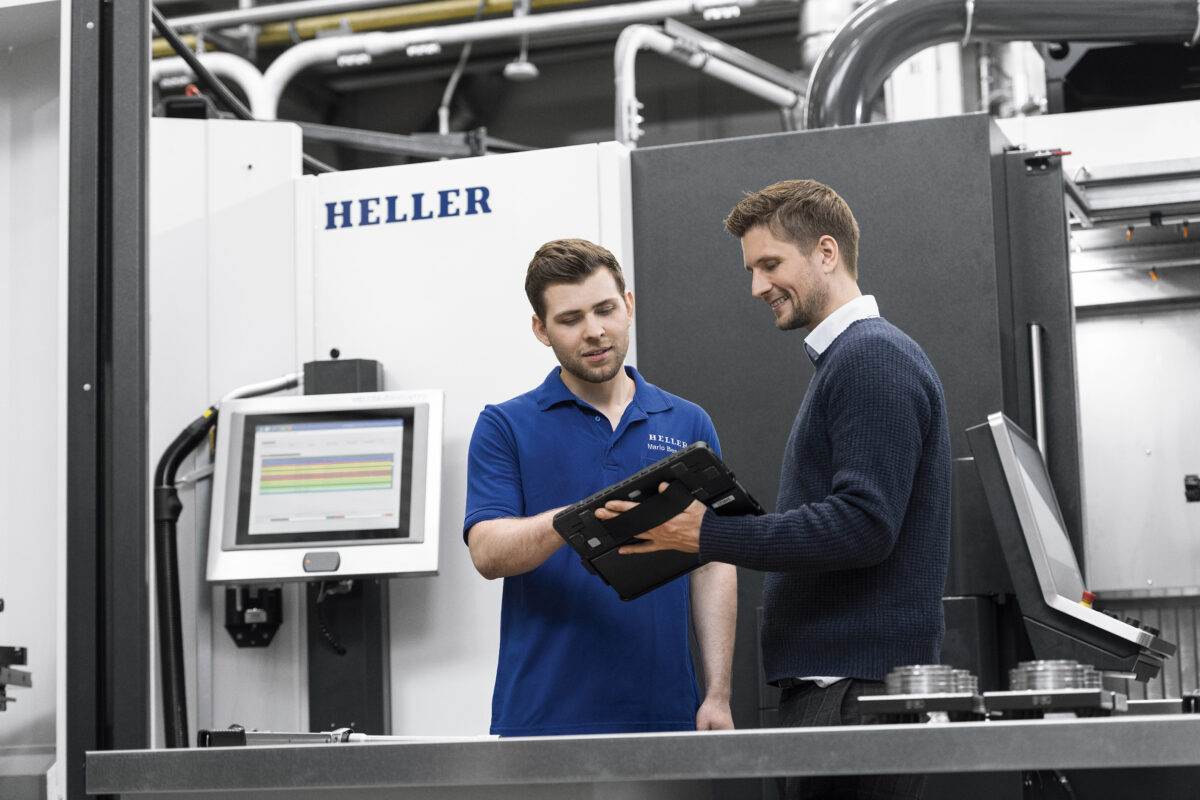
Shopfloor Excellence is a tool designed to increase productivity in manufacturing and assembly. Existing equipment and activities are tracked, making untapped revenue potential visible.
01
Gain Clarity
Performance Analysis
- Compact potential assessment based on company and production parameters
- Quantification of potential revenue increases and cost reductions
Result:
Estimate of potential productivity gains relative to required financial and personnel investment

02
Create Transparency
Production Monitoring
- KPI‑based transparency of shopfloor processes
- Flexible: Easy data collection with our tool OR integration with your existing MES
- Data‑driven identification of potential inefficiencies
Result:
Transparency of processes and a reliable KPI foundation for identifying inefficiencies.

03
Implement Improvements
Implementation & Actions
- Process improvement based on a proven action catalog
- Support from production specialists
- Examples of measures: establishing a shopfloor meeting system, master data cleansing setup time & idle time optimization
- The scope of support is tailored to the customer’s needs
Result:
Implementation of practical measures that deliver tangible production improvements, such as increased production hours.

04
Embed Impact
Sustainability & Mentoring
- Establishing continuous improvement in corporate culture
- Transfer of the necessary know‑how to independently continue the process
- Ongoing expert mentoring, tailored to needs and requirements
Result:
Sustainable anchoring of the continuous improvement process (CIP) in the company

01
Gain Clarity
Performance Analysis
- Compact potential assessment based on company and production parameters
- Quantification of potential revenue increases and cost reductions
02
Create Transparency
Production Monitoring
- KPI‑based transparency of shopfloor processes
- Flexible: Easy data collection with our tool OR integration with your existing MES
- Data‑driven identification of potential inefficiencies
03
Implement Improvements
Implementation & Actions
- Process improvement based on a proven action catalog
- Support from production specialists
- Examples of measures: establishing a shopfloor meeting system, master data cleansing setup time & idle time optimization
- The scope of support is tailored to the customer’s needs
04
Embed Impact
Sustainability & Mentoring
- Establishing continuous improvement in corporate culture
- Transfer of the necessary know‑how to independently continue the process
- Ongoing expert mentoring, tailored to needs and requirements
Result:
Estimate of potential productivity gains relative to required financial and personnel investment

Result:
Transparency of processes and a reliable KPI foundation for identifying inefficiencies.

Result:
Implementation of practical measures that deliver tangible production improvements, such as increased production hours.

Result:
Sustainable anchoring of the continuous improvement process (CIP) in the company


Decisive Advantages
for Your Manufacturing
Decisive Advantages for Your Manufacturing
Eliminate the root causes of your challenges—not just the symptoms. Create transparency in your processes through digitalization and successfully implement improvements with sustainable shopfloor management.
Increase in the response rate
Targeted KPI monitoring and digital processes allow you to increase the feedback rate in production and create more transparency in the production process.


Increased productivity with an efficient shop floor
Optimised processes and transparent data flows enable you to increase production output in the long term.
Significant Reduction in Additional Consumption
Targeted process control and material optimisation effectively reduce resource consumption.

Minimisation of the Auxiliary Wage Share
Efficient and perfected processes sustainably reduce the proportion of unskilled labour.

Shopfloor Case Study HELLER
Results with a Proven Best-Practice Approach.
Reduction of the auxiliary wage
share from 11% to 6%.
Reduction in excess consumption
from 4% to 2%.
15%
Increased productivity in production
Increase in the response rate
from 93% to 99%.
33,500 hours saved across
at 200 employees per year.
Visit our exclusive event, where we will show you live from the HELLER production facility how we achieve such performance increases.

Typical Areas of Application
Assembly
Manufacturing
Internal Material Flow
Construction
Maintenance

References
Customer Testimonials

CEO
Dr Thorsten Schmidt
„The cooperation between HELLER and IGH Infotec AG is a logical step towards expanding our service portfolio in process analysis and optimisation. Our goal is to maximise our customers“ success through holistic process solutions – without digital interfaces, with innovative solutions and process-relevant services. Through the combined consulting expertise of both companies, our customers benefit from optimised production and logistics processes, which significantly increase efficiency and speed.“


Former Managing Director Business Unit HPMS
Christian Kurtenbach
"We are targeting 30 % efficiency gains in full over the next four years."


Ready to turn your
key figures into real
performance improvements?
Ready to turn your key figures into real performance improvements?


Event Highlight
Upcoming Event
Upcoming Highlight
Shopfloor eXcellence – Productivity out of the Box
Shopfloor Management FAQ
Frequently asked questions
Find out how you can optimise your production processes, increase efficiency and establish a culture of continuous improvement through targeted measures.
Bedeutung von Shopfloor
The term shop floor refers to the area in production where actual value creation takes place. This includes production lines, assembly stations, machines, and workstations. Production data, disruptions, deviations, and key figures emerge on the shop floor, which are crucial for the efficient control and optimisation of manufacturing.
What is Shopfloor Management?
Shopfloor Management is a leadership and control concept where production processes are made transparent and managed directly at the point of activity. The aim is to detect deviations early, solve problems in a structured manner, and promote the continuous improvement of processes – based on current data and clear key performance indicators.
The aims of Shopfloor Management in production are:
Shop floor management aims to create transparency in production, reduce response times and improve collaboration between staff and management. Through the clear visualisation of key performance indicators, regular coordination meetings and structured problem-solving processes, efficiency, quality and on-time delivery are sustainably improved.
Der Unterschied zwischen Shopfloor und Shopfloor Management liegt in der Perspektive und dem Fokus:
* **Shopfloor:** Dies bezieht sich auf den physischen Bereich einer Produktionsstätte, in dem die eigentliche Fertigung stattfindet. Es ist der Ort, an dem Maschinen arbeiten, Materialien bewegt werden und Produkte hergestellt werden. Man kann es als die "Produktionsfläche" oder die "Werksebene" bezeichnen.
* **Shopfloor Management:** Dies ist ein Führungs- und Managementsystem, das sich auf die Organisation, Überwachung und Steuerung der Aktivitäten auf dem Shopfloor konzentriert. Es zielt darauf ab, die Effizienz, Produktivität, Qualität und Sicherheit im Produktionsbereich zu maximieren. Shopfloor Management beinhaltet Praktiken wie die Visualisierung von Produktionsdaten, die schnelle Problemlösung, die Einbeziehung der Mitarbeiter und die kontinuierliche Verbesserung direkt vor Ort.
Vereinfacht ausgedrückt: Der **Shopfloor** ist **wo** die Arbeit passiert, und das **Shopfloor Management** ist **wie** diese Arbeit am besten organisiert und geführt wird.
The shop floor describes the physical production area, while shop floor management is the method by which this area is controlled. Shop floor management uses information from the shop floor to analyse processes, make decisions, and implement improvements. Both terms belong together but have different meanings.
What role does digital shop floor management play?
Digital Shopfloor Management uses IT systems and real-time data to automatically capture, visualise and evaluate production key figures. This reduces manual processes, ensures information is always up-to-date and allows for data-based and faster decision-making – directly on the shop floor.